Coaching
Coaching asks you to listen.
Coaching asks you to be curious.
Coaching respects a person’s agency.
Coaching cares about what is true.
Overcome your aversion to selling and your fear of inviting clients into conversations, asking to get hired, or charging what you’re worth.
Learn to sign clients without ever becoming pushy, pressuring, slimy, or salesy.
At the very least, you’ll stop avoiding sales conversations.
At best, you’ll fall in love with the process of selling your coaching.
8 modules, 28 lessons, plus 4 bonus videos (32 videos in all) · Lifetime access
When you’re coaching, you feel engaged. Enthralled, even. You’re curious, you listen closely, and you ask just the right questions to shift the other person’s perspective.
Then they ask what it costs to work with you and you start to spin.

What do I say?
Should I quote them a fee?
Are my rates too high?
Will they think I am worth that?
I don't want to come off as pushy.
Maybe I should offer them a smaller package.
What if they say no?
What if they think I'm only doing this for the money?
As the silence hangs there, you blurt out an answer.
They pause…
I'll have to think about it.
Your heart drops. You do not want to pressure them, so you retreat into a polite, vague, “Of course. Just let me know.”
Then you wonder whether you should follow up. You hope they write you back, but they never do.
You know you need to sign clients, but everything you have heard from people who teach sales feels manipulative. And even if you tried those tactics, you’re not sure they would work. You’ve never been good at selling.
Most of us have been pressured into buying something we didn’t want, deceived by an unscrupulous salesperson, or treated like a transaction instead of a human being.
You may have been taught that being good at sales means creating false urgency, controlling the conversation, overcoming objections, and refusing to take no for an answer.
Of course that feels like the opposite of coaching.
Coaching asks you to listen.
Coaching asks you to be curious.
Coaching respects a person’s agency.
Coaching cares about what is true.
Bad selling tells you to take control.
Bad selling gives you a script with the “right” answers.
Bad selling treats their doubts as weaknesses to overcome.
Bad selling only cares about the yes and the money.
You do not need to get over having integrity.
You need a different way to sell.
See the course and pricePerfected your niche or you’re working on it
Reworked your offer probably a few times
Upgraded your website after switching from Squarespace to Claude Design
Posted on LinkedIn at least your college roommate likes your posts
Attended networking events just what you need, more financial advisors in your life
Offered free sessions to everyone who cannot afford coaching
Lowered your price and they still said no
Hired a business coach but that signature system!
Some of those might have been smart strategic moves.
But they might also have been a little creative avoidance.
Having a real conversation with someone who might hire you means putting something on the line. They might reject your offer, question your price, decide they do not want the thing you spent months creating, or even think you’re no good at coaching.
Perfecting your website feels productive without exposing you to that risk. Revising your niche gives you another problem to solve before you have to stand by your work. Posting content lets you hope that someone else will eventually make the first move.
But if you want to be in the business of changing lives, eventually you have to ask someone to commit.
Your website is a guess.
Your offer is a guess.
Your marketing is a guess.
I know coaches who have spent hundreds of hours perfecting their niche and still have no clients.
I have also trained coaches who felt deeply uncertain about their niche but signed clients right away because they knew how to sell, which means they knew how to help someone make a commitment to coaching.
Their niche was not perfect. Their website was not perfect. Their offer was still evolving. But they were willing to talk to real people, make real invitations, and learn from real answers.
A commitment conversation shows you what people actually want, how they describe the problem, what matters in your offer, what they are willing to commit to, and what prevents them from moving forward.
A larger audience is valuable, but most coaching is still sold face-to-face, one-on-one. If you cannot move from interest to commitment, you’re asking marketing to do all the work.
Better coaching creates stronger results, testimonials, referrals, and reputation. But you cannot become so good at coaching that you never have to discuss what it looks like to work with you.
Pro bono clients and trades can help you begin. Eventually they can let you coach without asking someone to pay, while letting the client receive coaching without making a meaningful commitment.
The commitment you are avoiding asking for, even demanding, may be the thing that makes the biggest difference in their life and in yours.
Coaching Beyond Yes and No takes the thing you already love, coaching, and helps you apply it toward creating clients.
Instead of feeling like a failure when someone hesitates, you become curious about what is happening.
Instead of pushing and prodding, you help them discover and strengthen their own commitment.
Instead of performing a hyped-up sales persona, you remain the patient, powerful coach you have been all along.
You do not stop coaching when commitment enters the conversation. You start coaching around that commitment.
Great selling is just coaching around a commitment.
Coaches are in the business of changing lives. But insight alone does not create change. A person can understand themselves beautifully and still return to exactly the same life.
The enrollment conversation is often the first moment when someone must confront what changing will actually require: time, energy, money, uncertainty, and the risk that they might fail.
That hesitation is not an obstacle to change. It is part of the process, and it is something you can coach.
It was my third enrollment call that week. The first two people needed to think about it, and I figured I might never hear from them again.
This call was going well. She genuinely wanted something I knew I could help her with. Then I told her it would cost $3,000 to work with me for six months.
Silence. I could feel the gears turning on the other side of the phone. She had doubts. She was not sure she could afford it. Inside my head, I was screaming, “This cannot be happening again!”
Then something shifted. I stopped fighting. I asked if we could slow down. I took coaching off the table and stepped back into the coaching conversation.
We talked about her fear of investing in herself, her fear that she would not do what she said she wanted, and her fear that choosing her dreams would put everything else at risk.
Those fears had not appeared until something was finally on the line. This was the conversation we needed to have.
By the end of the call, she was a full yes to being my client. More importantly, she had faced the fears that had stopped her from going all in.
From that moment on, I stopped seeing sales as the uncomfortable thing I had to get past before the real work. Coaching someone to make a commitment was the real work.
Toku McCree
Both are coaching skills, but they have different aims.
tension and release
The coach and client examine a stuck place until something clicks. The client feels relief, understands themselves differently, and leaves with a new perspective.
You hold the tension with them. You help the client face what the decision means, what it requires, and what might undermine their commitment later.
If you only know how to coach for insight, you may abandon the client at precisely the moment they need your support in making a commitment the most.
I do not teach a pile of aggressive closing tactics or a script designed to make you sound like someone else.
No “sell the pain.” No “handle the objections.” No closing off every possible exit.
You’re not kidnapping someone. You’re creating a client relationship.
You will learn a repeatable system for creating possibility, exploring commitment, making a clear offer, working with the fears and hesitations that arise, and helping someone arrive at an honest decision.
INSIDE COACHING BEYOND YES AND NO
plus 4 bonus videos, 32 videos in all
Most videos are 10 minutes or less, so each lesson is easy to digest and put into action.
Understand why you hate selling, why you are selling, and what ethical enrollment actually asks of you.
Learn why ordinary discovery calls often stall and how to create conversations that open real possibility.
Learn the structure, container, and four principles behind a powerful commitment conversation.
Draw out what a potential client truly wants, then reflect it back with clarity and precision.
Help them see why change matters now and hold the tension between their current reality and the future they want.
Create a package that fits the conversation, then explain its structure and price without apologizing, overexplaining, or hiding.
Stay with their answer. Learn how to work with yes, no, and “I need to think about it” while remaining fully on their side.
Integrate the complete process, understand the three paths forward, and identify your next stage of growth as a coach.
WHAT COACHES SAY
“I just enrolled a new client @ $11k for 4 months! The stuff I’m getting from you is turning the process into one of my favorite conversations. This is what was missing for me in all the stuff I’ve read. And I’ve read a lot.”

“I just did an interview style sales call. It’s so straight forward, no bullshitting. I feel super embodied and grounded. She wants to work with me 1-1 now! I think your advice may have instantly made me $30k.”

 Jonny Roman
Jonny Roman was already a skilled, empathetic coach. His work changed when he stopped merely being gentle and began challenging clients around commitment. His clients progressed more, he respected his coaching more, and his practice grew.
Read Jonny’s full storyIndividual experiences are not promises of income or a particular result. Jonny’s result came through Toku’s broader Coaching MBA work.
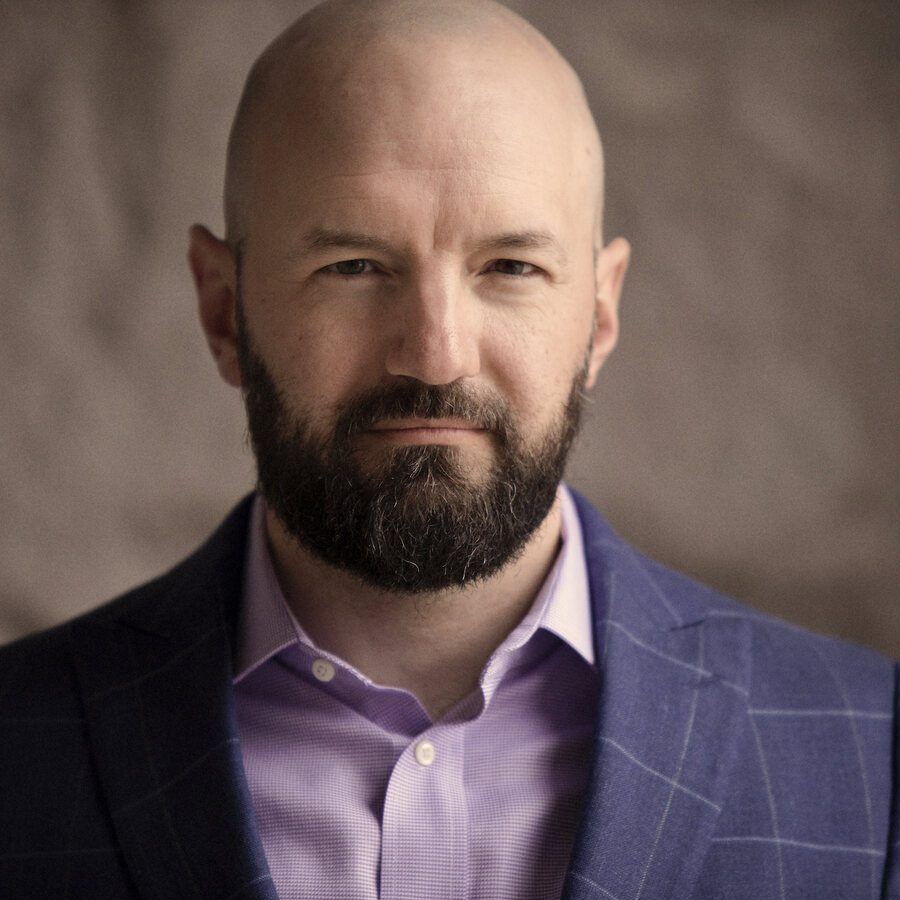
I’m Toku McCree, and I’ve been a successful executive coach for the past 10 years. Most of my clients are not coaches. They are real leaders in the startup, entrepreneurial, and corporate world.
My first career was in music, which I left to train as a Zen monk for more than two and a half years. Afterward, I became a coach. Alongside my own practice, I have helped hundreds of coaches improve their coaching and grow vibrant practices.
I studied traditional selling techniques and adapted what worked to align with the ethics of coaching I hold so dear.
Most advice I found was either feel-good philosophy without enough structure, or highly structured, high-pressure sales advice that might work for software but feels wrong to coaches and can damage trust before the relationship even starts.
You do not need to leave your ethics at the door. You need a way to bring your curiosity, courage, honesty, and care into the part of the conversation you have been taught to fear.
You know how to invite someone into a coaching conversation.
You know how to explain how you work and help them see the value.
You can name your price without apologizing.
When someone hesitates, you do not assume you failed. You become curious.
A no does not have to become rejection, judgment, or a dead relationship. It can deepen trust, reveal what is in the way, and leave open the possibility of working together later.
A yes becomes more than temporary enthusiasm. You help the client strengthen their commitment, anticipate what might get in the way, and begin the work before the first paid session starts.
At the very least, you’ll stop being caught up in aversion and fear. Who knows, you may even learn to love selling.
I'm sure you've seen lots of courses, opened the checkout page, and decided you need to think about it, only to never come back, or impulsively bought a cheaper course later that ended up being disappointing.
And you could 100% do that with this course, but I want to challenge you not to.
I want to be clear, this sales page, my approach, it's unflashy on purpose.
I don't want to wow you with 1000 I MADE THIS MUCH AFTER CBYN… kind of crap testimonials.
I have gotten those testimonials. People have written me and told me they've taken the course and signed a client at a new higher rate within a week of finishing.
But I don't want you to buy the course from hype.
I want you to make a commitment to actually becoming the kind of coach that enjoys every part of their business. (Or at least every part outside of doing taxes)
Not having the ability to take someone who is interested in your coaching to a paid committed client costs you a lot. Not only does it hurt your revenue, it hurts your confidence, your longevity, and your ability to serve the world with your coaching.
When you learn to sell or help people make a powerful commitment to working with you, you get more yeses, more referrals, and you feel more possibility in every call.
You do not have to wait until your niche, website, offer, confidence, or coaching is perfect (And also by the way it probably won't ever be perfect)
You can start having better conversations now.
You can start signing more clients for more money and enjoy the process more right now.
But it will require your commitment to stop acting like selling coaching is like shoveling poop at a horse ranch and be open to the possibility that it could become the most important part of your work.
Go through the course and put it into practice. If it is not right for you, let me know within 30 days and I’ll refund your money. The course is not a cure-all, but I believe in what it teaches.
AVAILABLE THROUGH JANUARY 1, 2027
Save $267 when you enroll now.
The discount is applied at checkout. Offer ends January 1, 2027.
No. You learn to ask permission before moving beyond someone’s no, explore what is underneath their answer, and support them in making a decision they trust. An honest no is a valid outcome. The point is clarity, not pressure.
No. The course is fully self-paced and made up of videos recorded in a professional studio. An automated email sequence guides you through the material, and there is a membership platform where you can answer questions.
You receive lifetime access. You can revisit the lessons before important enrollment conversations and return to specific sections whenever you need to brush up.
Both. A new coach can develop a clear, simple process that improves with practice. An experienced coach who still hates “having to sell” can untangle old ideas about sales and fall back in love with growing a practice.
No. Your enrollment conversations will help you test and improve both. What people say they want in an interview and what they actually choose to buy can be very different. You need enough courage to begin talking to people and enough curiosity to learn what they care about.
Your purchase is backed by a 30-day money-back guarantee. Dig into the course and give it your best shot. If it still does not work for you, I’ll happily refund your money. There is no bait and switch here.
You do not have to choose between being a good coach with integrity and being good at sales.
Get the course for $533